
1 hr 10 min
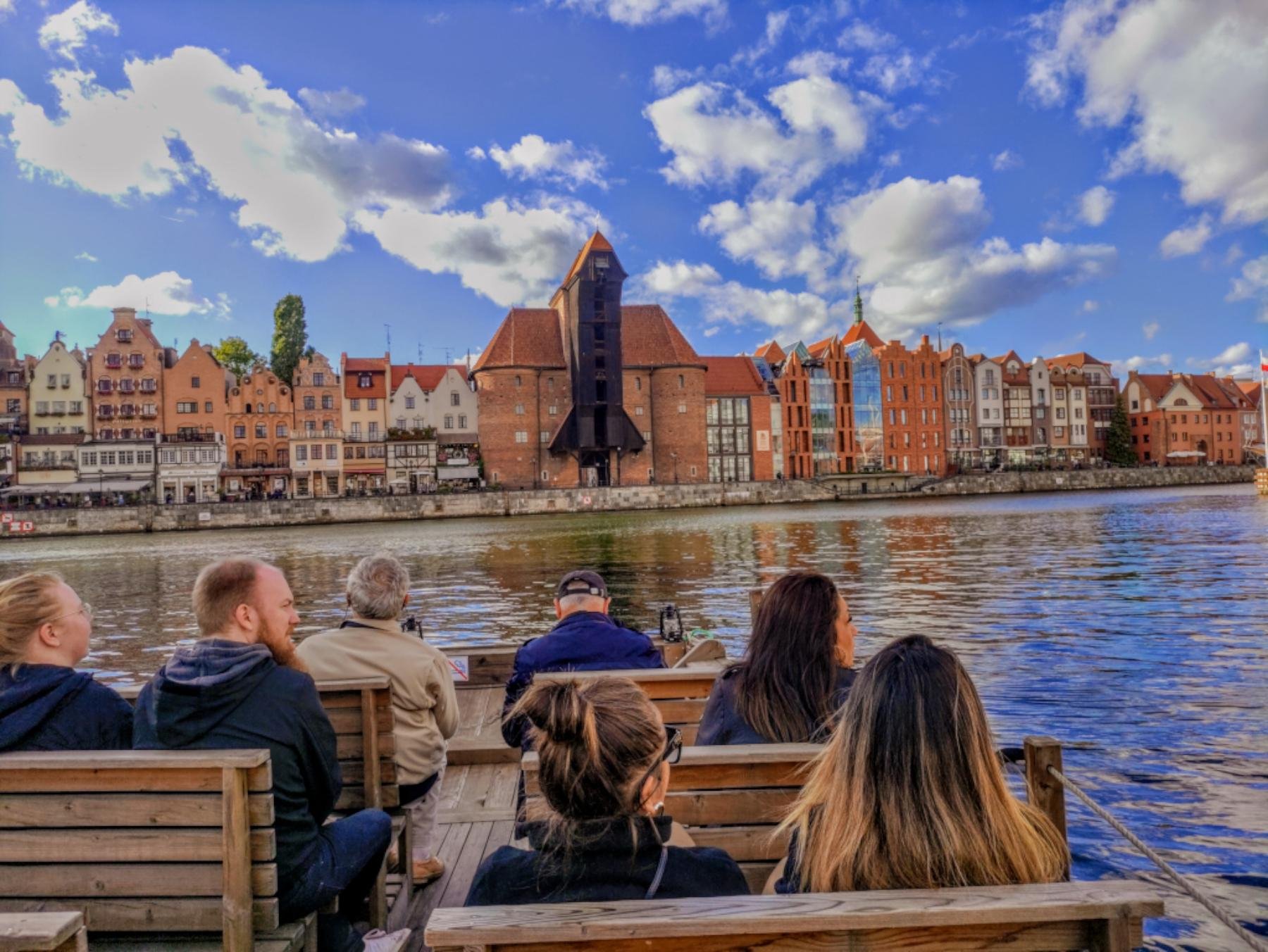
Historic Polish Boat Cruise Through Gdańsk Waterways
Navigate hidden canals aboard an authentic wooden river vessel, exploring shipyard history and Old Town highlights.
Reserve
Hand-picked by our editors — only the best 5 experiences from 12 reviewed.
Verified partners for every tour, free cancellation where available, and instant confirmation on every booking.
1 hr 10 min
Navigate hidden canals aboard an authentic wooden river vessel, exploring shipyard history and Old Town highlights.
Reserve
2 hr 30 min
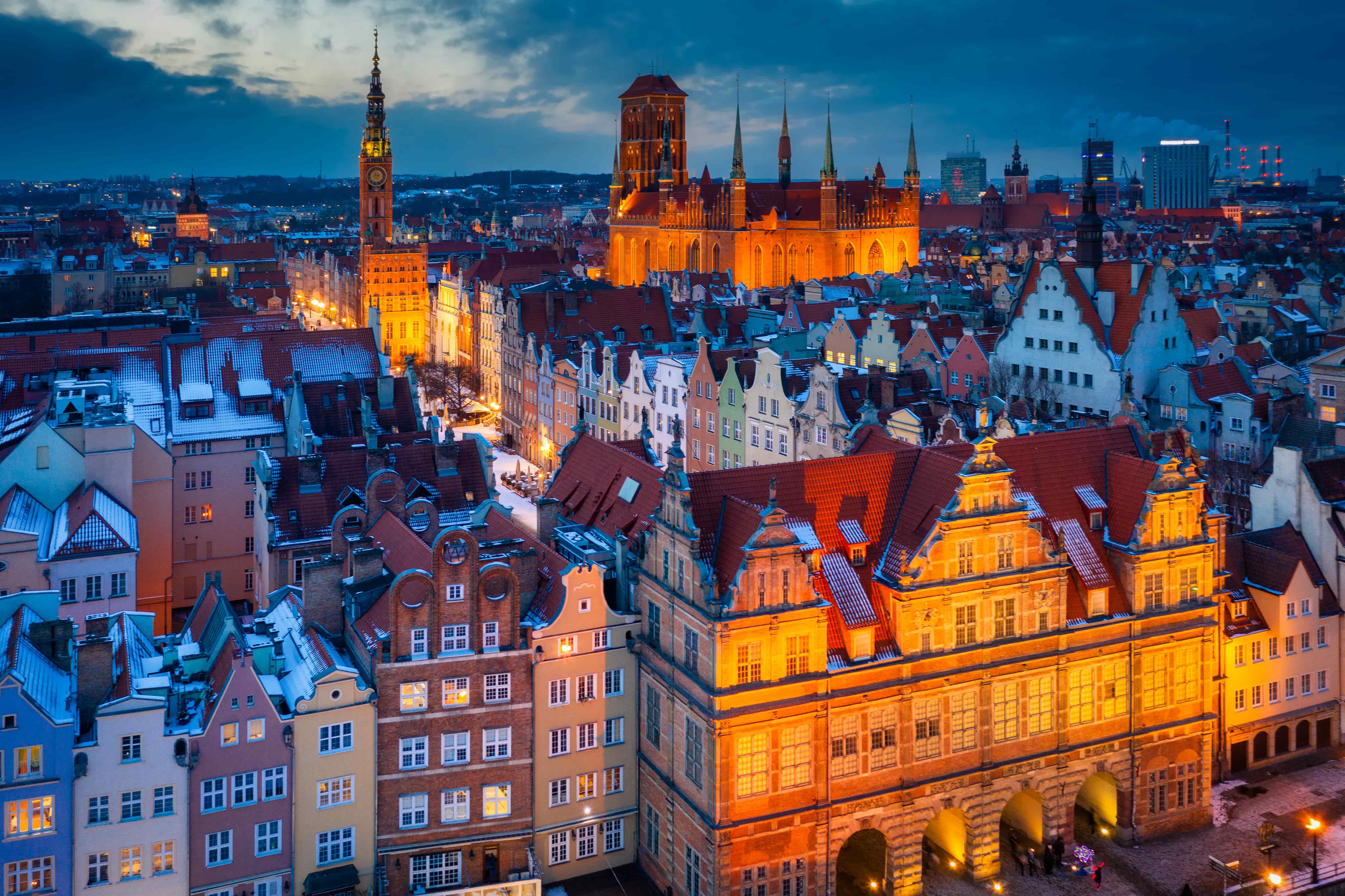
Explore Poland's Baltic jewel on foot, tracing the historic royal path through centuries of architecture and culture.
Reserve
1 hr
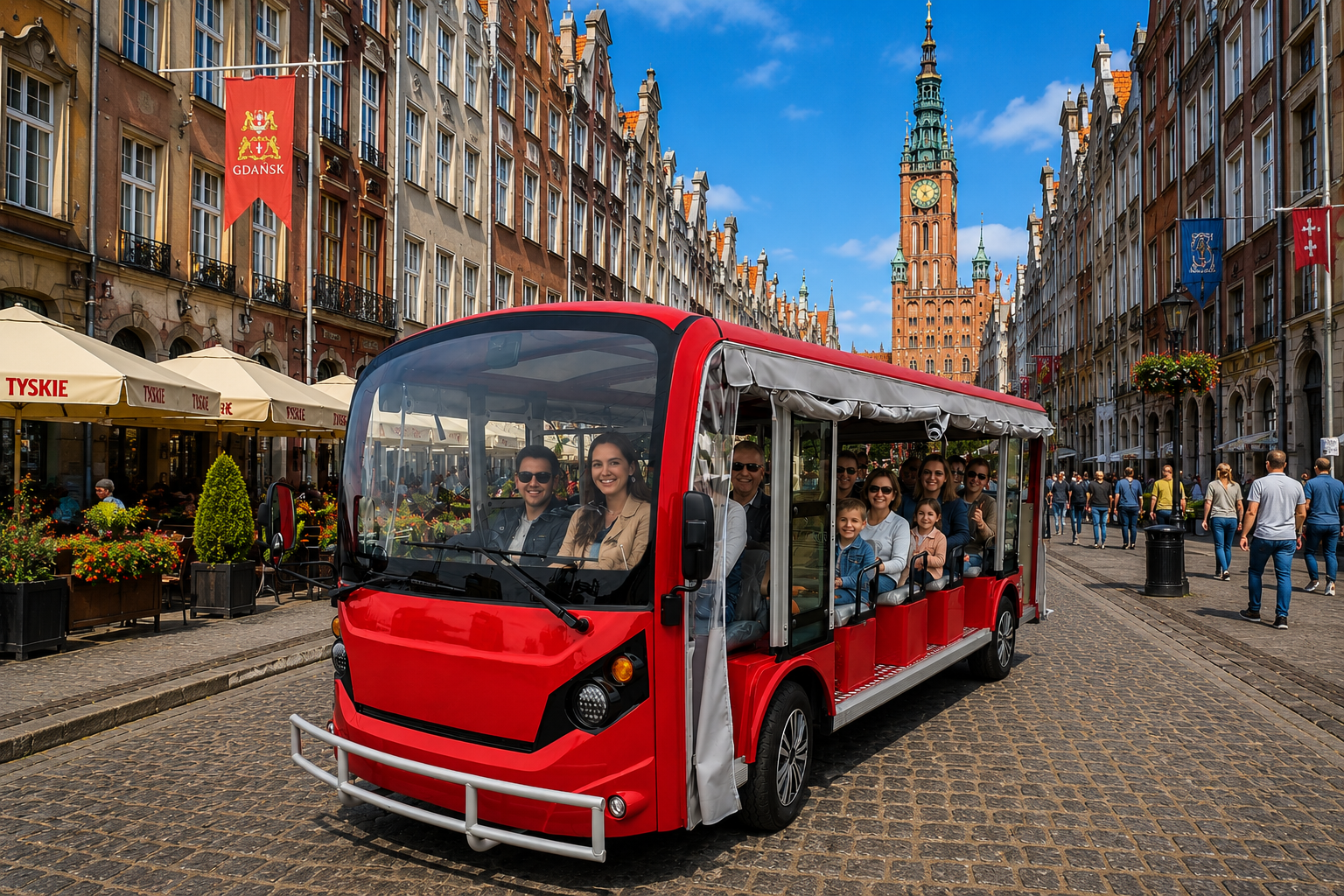
Discover Gdansk's Old Town and historic shipyard aboard a cozy electric golf cart with expert commentary
ReservePrices from verified partners. Availability updates in real time at checkout. Free cancellation policies apply where shown.
The landmarks, rooms, and views travelers on this tour remember — all visible on a single visit.
Three 42-meter steel crosses commemorating the 1970 shipyard protests.
The historic entrance where Lech Wałęsa climbed to lead the 1980 strike.
A modern museum building designed to evoke rusted ship hulls.
The site of the historic August 1980 agreement signing.
A district showcasing 19th-century industrial heritage and cranes.
The gdansk shipyard walking tour offers a visceral connection to labor history and industrial legacy, whereas the museum provides a structured, comprehensive narrative of global conflict. They complement each other; most visitors who do both call the industrial site more atmospheric for its raw, tangible scale.
| Feature | Top pick Shipyard Walking Tour | Museum of WWII |
|---|---|---|
Experience Type |
Self-guided open-air walk | |
Setting |
Industrial maritime space | |
Primary Focus |
Solidarity and labor activism | |
Estimated Time |
1.5–3 hours | |
Atmosphere |
Gritty and reflective | |
Accessibility |
Outdoor paths with varied surfaces | |
| See tickets → |
Verdict: Choose the outdoor Gdansk shipyard walking tour for an immersive exploration of post-war social change, or select the museum for an extensive indoor educational experience regarding international military events.
Choose your ticket, select your date, and reserve in under two minutes. Secure checkout handled by our verified partner.
Instant confirmation by email, with a mobile voucher you can save offline. No printing, no queuing at a collection desk.
Arrive at the entrance, show your voucher on your phone, and walk in. Most tickets include priority or skip-the-line access.
Practical details for your visit straight from our verified partners — hours, access, rules, and how to get there.
Plac Solidarności 1, 80-863 Gdańsk
Main entrance of the European Solidarity Centre
Take a tram to 'Plac Solidarności' stop.
15 min walk from Gdansk Glowny Railway Station.
Casual and comfortable attire is recommended for this gdansk shipyard walking tour. Wear sturdy walking shoes to navigate cobblestone paths and industrial terrain.
Large backpacks may be restricted inside specific museum buildings; standard security screening is performed at the European Solidarity Centre.
Photography is generally permitted for personal use on the gdansk shipyard walking tour grounds. Please respect signage within private workshops or museum interiors.
The Solidarity Square and surrounding shipyard areas are flat and accessible. Elevators are available at the main ECS building for multi-level access.
Mobile devices are encouraged for navigation and audio guides during your gdansk shipyard walking tour.
The area is family-friendly with open spaces for children to explore. Interactive elements at the European Solidarity Centre are suitable for school-age visitors.
Cafes are located inside the European Solidarity Centre. Local eateries can be found near the shipyard perimeter and Gdansk Main City.
Service animals are permitted; standard pets are discouraged due to industrial site hazards.
The shipyard is an active historical landmark. Respect private property and stay on marked paths when exploring the gdansk shipyard walking tour route.
Plac Solidarności 1, 80-863 Gdańsk
Main entrance of the European Solidarity Centre
Get directionsBest time to go, insider tips, nearby landmarks, and the cancellation fine print — flip through to skim what matters to you.
How crowds, weather, and events shift across the year.
Mild weather is ideal for a gdansk shipyard walking tour in April or May.
Long daylight hours allow for extended exploration of the shipyard grounds.
September provides crisp air and fewer crowds compared to summer months.
Indoor museum visits are recommended as industrial areas are exposed to cold wind.
Small details that turn a good visit into a great one.
Reserve museum tickets online to save time on your gdansk shipyard walking tour day.
Shipyard areas near the harbor can be windy regardless of the season.
Download the Imperial Shipyard Route map for self-guided industrial explorations.
Verify the European Solidarity Centre exhibition times to avoid maintenance days.
Allow time to visit the nearby Main City after your shipyard walk.
Non-bookable sights within a short walk — free to visit, easy to pair.
Iconic 42-meter steel crosses commemorating 1970 victims.
Historical site where the August Agreement was signed.
Multimedia museum of Solidarity and democratic changes.
Historic church famous for its amber altar.
Flexible, no hidden fees.
Entry to the historic grounds is 0 PLN. Refund policies for private tours vary by operator; confirm details before booking.
Hand-picked options within walking distance — pick a district for vibe, or a specific hotel for convenience.
Apartments located in the post-industrial area.
Historic center with boutique hotels 15 min away.
Range of hostels near the main railway station.
On August 14, 1980, electrician Lech Wałęsa scaled the perimeter wall of the Lenin Shipyard with a single demand: reinstate dismissed colleague Anna Walentynowicz. Within days, 17,000 workers had downed tools, and the twenty-one Gdańsk Accords signed three weeks later became the first negotiated retreat of a Soviet bloc government. The shipyard—Stocznia Gdańska—had built destroyers under Prussian rule, launched submarines for interwar Poland, and repaired Nazi U-boats during occupation. By the 1970s it employed thirty thousand, producing container ships and bulk carriers for Comecon markets. Its red-brick administrative halls and towering gantry cranes formed a self-contained city of forges, dry docks, and railway sidings stretching two kilometers along the Martwa Wisła channel. Today the shipyard district functions as both working harbor and open-air memorial. The Monument to Fallen Shipyard Workers—three steel crosses reaching forty-two meters—anchors Plac Solidarności, erected in December 1980 while strikes were still fresh. Anchors embedded in the plaza pavement mark where workers died during the 1970 protests, when security forces opened fire on demonstrators at Gate Two. The European Solidarity Centre, opened in 2014, occupies a rust-clad structure whose geometry mirrors hull plating; its permanent exhibition spans six floors and chronicles the ten-year arc from the 1980 accords to Poland's first semi-free elections. Original timber from the strike negotiations room is displayed under glass. Nearby, BHP Hall—the canteen where Wałęsa addressed the Inter-Factory Strike Committee—remains standing, its facade unchanged. The Gdansk shipyard walking tour reveals this layered geography. Industrial architecture—brick engine houses, skeletal cranes, corroded rail tracks—sits alongside contemporary museums and cafes occupying former workshops. Walking paths trace the perimeter of the historic yard, passing Gate Two with its wrought-iron lettering and the preserved fragment of the perimeter wall Wałęsa climbed. Information plaques mark twenty-one sites tied to the 1980 strike, each keyed to archival photographs. The district operates as public space; no perimeter fence restricts access, and the monuments are illuminated after dusk. Visitors navigate freely among active harbor operations, where container cranes still pivot and tugboats maneuver through the channel, a working port layered over insurgent ground.
"Within days, seventeen thousand workers had downed tools, and the accords signed three weeks later became the first negotiated retreat of a Soviet bloc government."
A step-by-step walkthrough of the visit — what you'll see, how long each stage takes, and the details that matter.
You approach from the north along ulica Wałowa, crossing the railway tracks that once hauled steel plate into the yard. Ahead, the Monument to Fallen Shipyard Workers rises above the roofline, its three forty-two-meter crosses visible from a kilometer away. You enter Plac Solidarności at Gate Two, where wrought-iron letters spell out the shipyard's name in pre-1989 script. Anchors embedded in the pavement mark the spots where workers fell in 1970; you pause at each, reading the engraved dates. You turn toward the European Solidarity Centre, its rust-clad walls angled like ship hulls. Inside, escalators carry you through six exhibition floors: strike banners, clandestine printing presses, the original wooden table where the accords were signed. You exit onto the rooftop terrace, where you scan the harbor—gantry cranes, dry docks, the Martwa Wisła channel threading east. Descending, you walk along the preserved section of perimeter wall, its concrete surface pocked and weathered. BHP Hall stands to your left, canteen windows reflecting afternoon light. You circle back past active shipyard gates, where forklifts and harbor workers move among stacked containers, the district still half monument, half working port.
Entrance to the historic grounds is 0 PLN, though some museums within the complex may charge for entry.
The grounds are open 00:00–23:59 daily, but the European Solidarity Centre has specific operational hours.
Yes, the area is largely flat and the museum has elevators for full accessibility.
Yes, but large bags may be restricted inside museum buildings; keep them to a comfortable size.
The best arrival window is 09:00–17:00 to ensure optimal daylight for viewing the historic industrial markers.
There is no formal dress code, but sturdy walking shoes are recommended for the shipyard terrain.
Cafes are found inside the European Solidarity Centre and various eateries are located nearby.
The shipyard is a 15-minute walk from the central railway station or accessible via tram to Plac Solidarności.
Yes, this is an educational and family-friendly experience suitable for all ages.
Yes, you can easily combine your visit with the historic Main City and the nearby monuments.